
 798 535 535
 Sign in


Ogrodzenie na pochyłym terenie: sposoby montażu i najczęstsze problemy
Posted by kaczmarski arkonsoft lut 18, 2022 all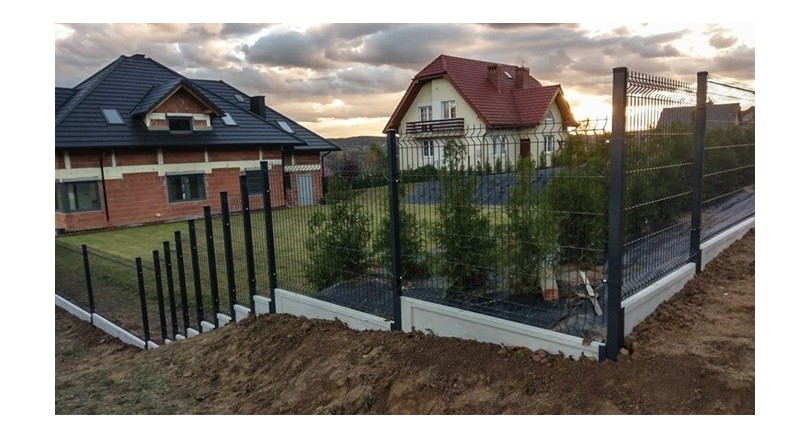
Fence on sloping terrain: ways of assembly and the most common problems
Building a fence on sloping ground is a real challenge even for experienced fitters. The larger the slopes, the more difficult it is to set the fence posts correctly and prepare a stable foundation. What are the techniques for installing a panel fence on uneven terrain and what technical problems arise most often during the construction of a fence?
Installation of the fence on uneven terrain and safety issues
The construction of panel fences on sloping plots always involves a certain risk. Such a fence is particularly exposed to high loads and pressures, which may result in the tilting of individual spans and even their collapse. On unstable, uneven terrain, the fence should therefore be additionally strengthened and secured.
In the Regulation of the Minister of Infrastructure on the technical conditions to be met by buildings and their location, the following provision appears:
-
the fence must not pose a risk to the safety of persons and animals.
Therefore, according to the provisions of Polish law, property owners are obliged to ensure that the fence is safe, i.e. stable, durable and does not pose a potential threat. A less important issue is whether it is located on a flat or sloping area – it is primarily to be non-subversive and durable.
How to set up fence posts on uneven terrain?
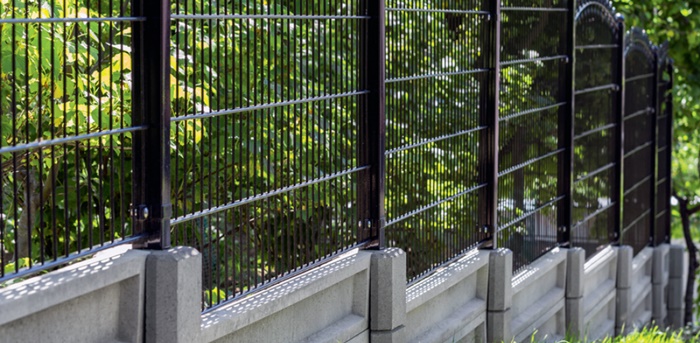
How to build a fence on difficult, uneven terrain? The choice of assembly method depends primarily on how big the slope is. There are 3 basic techniques for building a fence on an uneven plot:
-
cascade (stepped) assembly – used when the terrain has a small angle of inclination or there are zonal curvatures, recesses or hills on it,
-
top equation method – it works well in the case of both large and small unevenness of the terrain, this solution usually occurs on the frontal, representative part of the plot,
-
bevel technique (parallel assembly) – it can be used if the terrain has a gentle and regular angle of inclination along the entire length.
What are the differences between the indicated methods? The least complicated is the diagonal technique, in which the foundation of the panel fence is enough to be laid parallel to the ground. Cascade fences, as the name suggests, are laid out in a cascade pattern and fall down in steps as the terrain falls. In fences built diagonally, the idea is that the upper part of the fence should be in one line – to it the fitters adjust the heights of the foundation and panels.
Panel fence on uneven terrain: angle of inclination and mounting method
The angle of inclination of the plot has a decisive influence on how the panel fence should be placed on uneven terrain. Polish fence manufacturers recommend that with small ground drops, not exceeding 24%, the parallel (oblique) assembly technique should be used. When the slope is constant and the plot does not have any major irregularities, the fence can be placed on or without the foundation (that is, directly on the poles).
In other cases, that is, if the plot is located on a steep slope or undulating terrain, it is best to use the stepped technique, possibly the equation with the top. In special situations (large slopes, proximity to swamps, etc.), it is worth consulting the choice of assembly method with an experienced fitter or surveyor. The specialist will tell you whether a panel fence can be erected on a given property, or whether it is better to build a standard, light fence made of galvanized mesh.

Installation of a panel fence on uneven terrain: the most common mistakes
People who want to independently put a fence on an uneven plot often do not know how to properly put a panel fence. The slope of the terrain makes their task difficult, so they make many critical mistakes, determining the strength and aesthetics of the fence. What errors are we talking about? Here is a list of the most common infringements:
-
inaccurate leveling of the plot, leaving debris, roots, stones,
-
construction on unstable, unpaved, sandy or loamy ground,
-
careless measurements,
-
lack of a plan, selection of the wrong method of assembly, not matched to the angle of inclination of the terrain,
-
too shallow holes for mounting poles,
-
embedding posts in fasteners without concrete.
Installation of the fence on a sloping terrain: the effects of technical errors
The above-mentioned mistakes, made before – and during the installation of the panel fence on uneven terrain, result in many defects. After careless leveling and inaccurate measurements, the fence is usually unstable and after just a few months of operation it begins to tilt. Curvatures make the fence look unsightly and require additional maintenance and even replacement of some elements.
The weight of the panel fence rests entirely on the concrete foundation, but if it is located on freshly built, unpaved ground, the risk of collapse of the spans due to downpour or storm increases. How to avoid critical mistakes when building a fence on a sloping area? Assembly work is best entrusted to specialists and not to expose yourself or third parties to loss of health or life.