
 798 535 535
 Sign in


Montaż słupków ogrodzeniowych bez betonu
Posted by kaczmarski arkonsoft lut 17, 2022 all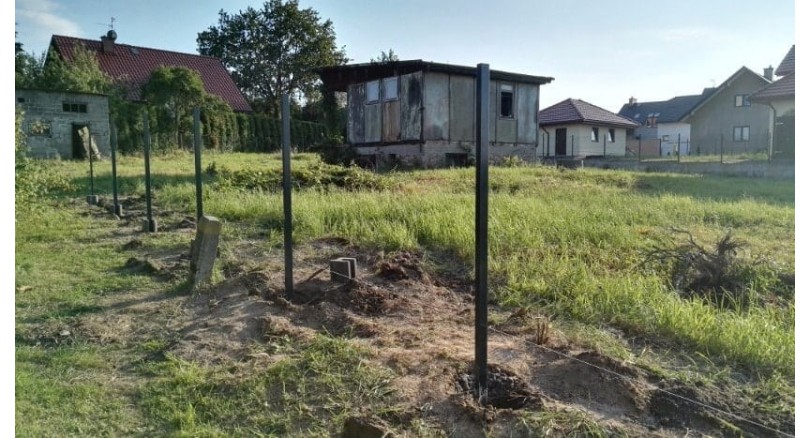
Installation of fence posts without concrete
Concreting fence posts is a tedious activity. First you need to organize equipment and materials. Later, you lay out the concrete in holes, foundation or prefabricated fasteners and wait for it to tie up. Looking for alternative mounting methods? Check what is the installation of fence posts without concrete, when it can be used and what are the disadvantages of this type of solutions.
Why is concrete most often used for the installation of fence poles?
Why do most people choose concrete for fixing fence posts? The answer to this question is simple: it is a proven, generally available and cheap material that perfectly holds various metal structures vertically. Concrete is used both for stiffening pipes and fence profiles, as well as for the construction of foundations and poles for entrance gates.
Concreting posts is the most popular method of installing fences, chosen by professionals and amateurs. High-quality concrete for decades supports the fence, does not crack and forms a uniform structure together with the ground. This material does not require complicated processing, relatively quickly binds and protects the metal from moisture. What, instead of concrete, to use for the construction of a fence and are there equally effective techniques for assembling poles at all?

Installation of posts without concrete: popular methods
When you plan a temporary fence made of forest mesh, wooden, impregnated poles are dug into the ground, hardened – and ready. How to embed metal fence posts in the ground without concrete? There are several alternative types of assembly, which can be divided into 2 groups:
-
Economic methods (provisional):
-
driving pipes or profiles without ballast, directly into the ground,
-
placing posts in narrow holes and supplementing them with aggregate.
-
More expensive and advanced methods:
-
anchoring of poles on steel bases screwed into the ground,
-
application of resin mounting masses for wells and fasteners,
-
fastening using fixing mixtures (to connect with water directly in the ground).
Provisional methods work well when you want to quickly and cheaply fence a large field, orchard, recreational plot or pen for small animals. However, there is a high risk that metal poles will rust and require regular maintenance. For the installation of a representative fence around the property, instead of concrete, you can use anchors or fastening mixtures – thanks to them you will maintain the functionality and aesthetic appearance of the fence longer.
Fastening masses for fence posts instead of concrete
Currently, more and more owners of small properties choose fast-setting fastening masses for fence posts instead of concrete. This solution works well when the fence is short and you want to finish the construction as soon as possible or you do not know how to prepare a traditional mortar. What is the difference between fastening masses and ordinary concrete? Instead of cement, aggregates and sand, they usually contain polyurethane resins.
A light, resinous mass after just a few minutes sticks to the post and tightly fills the holes for the fence. For its preparation you do not need a wheelbarrow or a concrete mixer. The fast setting rate makes the installation of vertical elements fast. Remember, however, that chemical masses are usually very toxic. They are also not suitable for stabilizing high and heavy fences.

Installation of fence posts without concrete – when can it be done?
Fence posts do not always require concreting. In what situations is this possible? For example, when you want to put a light, openwork panel fence, a fence made of ordinary braided or forest mesh. You also do not need to pour concrete under the posts if:
-
the ground around the plot is stable and non-absorbent,
-
on the property there are no hills and large slopes of the terrain,
-
you are planning to build a temporary fence, which is to ultimately serve no longer than 2-3 seasons.
Fence poles for panel fences and nets can be driven directly into the ground, if it is sandy or sandy-loamy. The soil for the fence should be non-absorbent, it must not retain water or freeze excessively in the autumn and winter. Do you have clay on the plot? So forget about installing poles without concrete. Metal poles will be unstable, quickly corrode and deteriorate under the influence of moisture.
Embedding fence posts without concrete: the disadvantages of the solution
What are the main disadvantages of installing posts without concrete and why does this solution often turn out to be a failure?
-
poles embedded directly in the ground rust faster and tilt under the influence of the weight of the fence or the action of the wind,
-
anchors for posts are narrow and light – it happens that they are not able to hold vertically high fences,
-
mixtures imitating concrete are expensive and unprofitable for long fences,
-
ready-made fastening masses after several seasons may lose their properties under the influence of frost and moisture, which will cause the poles to tilt.
Remember that building a fence without a solid support for the posts is like putting a house on the sand – without strong foundations, the structure will collapse. So before you start assembly work, make a local inspection of your plot, consult a professional and choose the right solution to avoid expensive repairs.